 how-to
How to Maintain a Farm Tractor: Essential Steps
Table of Contents
- Why Regular Tractor Maintenance Matters
- Essential Daily and Weekly Checks Before Operating
- Creating a Farm Tractor Service Schedule
- Tractor Tyre Maintenance and Replacement
- Using a Tractor Maintenance Checklist
- Preparing Your Tractor for Winter Storage
- Common Maintenance Mistakes to Avoid
- Frequently Asked Questions
Last Updated: October 19, 2026
Why Regular Tractor Maintenance Matters
How to maintain a farm tractor isn't just about keeping your machinery running, it's about protecting your investment and your livelihood. A well-maintained tractor can work reliably for decades. Neglect it, and you're looking at unexpected breakdowns during critical harvest periods, costly repairs, and lost productivity.
Regular maintenance catches small problems before they become expensive ones. A loose bolt today becomes a seized engine tomorrow. A worn seal costs very little to replace now; it costs thousands if it fails in the field and damages the engine block.
The farms that maintain their tractors systematically, not frantically, are the ones that finish harvest on schedule and stay profitable.
This guide walks you through the essential steps to keep your tractor running smoothly, from daily pre-operation checks to seasonal storage preparation.
Essential Daily and Weekly Checks Before Operating
Before you start your tractor each morning, spend five minutes on these checks. They take no time and prevent most common failures.
Fluid levels and condition
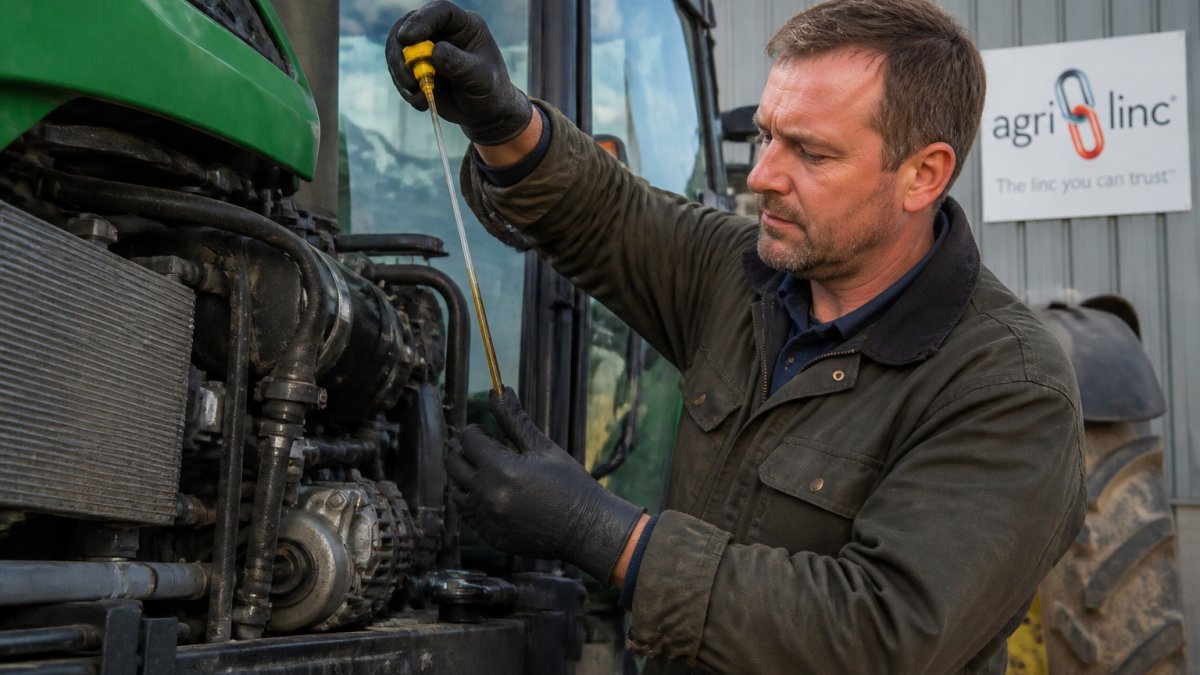
Check your engine oil first. A cold engine gives you the most accurate reading. Pull the dipstick, wipe it clean, reinsert it fully, then pull it again and read the level. Oil should sit between the minimum and maximum marks.
Check the colour too. Fresh oil is amber or light brown. Dark, thick oil means it's overdue for a change. Milky or foamy oil signals water contamination, stop and investigate before running the engine.
Coolant comes next. The reservoir should be full when the engine is cold. Never open the radiator cap on a hot engine; steam and scalding coolant will spray out. Top up with the correct coolant type for your tractor model, mixing types causes sludge buildup.
Hydraulic fluid powers your implements. Check the sight glass on the side of the hydraulic reservoir. The fluid should be between the minimum and maximum lines. Low hydraulic fluid causes sluggish implement response and can damage the pump.
Fuel quality matters. If your tractor sits unused for weeks, water condenses in the fuel tank. Drain any water from the fuel filter bowl before starting. In winter, use winter-grade diesel to prevent fuel gelling.
Tyre pressure and wear
Under-inflated tyres waste fuel, wear faster, and reduce traction. Over-inflated tyres bounce on rough ground and damage the tyre structure. Check pressure when tyres are cold, before you've run the tractor that day.
Your tractor manual specifies the correct pressure for each tyre. Ballasted tyres (filled with fluid for weight) need different pressures than air-filled ones.
Inspect tyre tread depth. Run your thumb across the tread. If your thumb sinks deeper than a few millimetres, the tread is wearing thin. Worn tyres slip in mud and on slopes. Replace them before you lose traction in a critical moment.
Look for cuts, punctures, and sidewall damage. A small cut can become a blowout under load. Sidewall damage means the tyre cannot be repaired, replacement is the only option.
Lights and safety equipment
Check all lights work: headlights, tail lights, brake lights, and work lights. A tractor without working lights is dangerous and illegal on public roads.
Inspect light lenses for cracks. Water gets inside broken lenses and corrodes the bulb. Replace cracked lenses immediately.
Test your brakes. Press the brake pedal. It should feel firm and bring the tractor to a smooth stop. A soft or spongy pedal means air is in the brake lines or fluid is low. Bleed the brakes or top up fluid before operating.
Check that your seat belt fastens securely. A working seat belt can save your life if the tractor tips.
Creating a Farm Tractor Service Schedule
A tractor maintenance checklist works best when tied to operating hours, not calendar dates. A tractor used 500 hours per year needs more frequent servicing than one used 200 hours. Check your operator manual for your specific model's service intervals.
50-hour service intervals
Every 50 hours of operation, inspect and clean the air filter. A clogged air filter starves the engine of oxygen, reducing power and increasing fuel consumption. If you work in dusty conditions, check it more often.
Top up all fluids: oil, coolant, hydraulic fluid, and fuel. Check tyre pressures and look for damage.
Inspect belts and hoses for cracks, leaks, or loose clamps. A broken belt leaves you stranded. A leaking hose empties your hydraulic system.
Clean the radiator fins with compressed air or a soft brush. Dust and chaff block airflow and cause overheating. Never use a high-pressure washer on radiator fins, you'll bend them.
250-hour and 500-hour maintenance
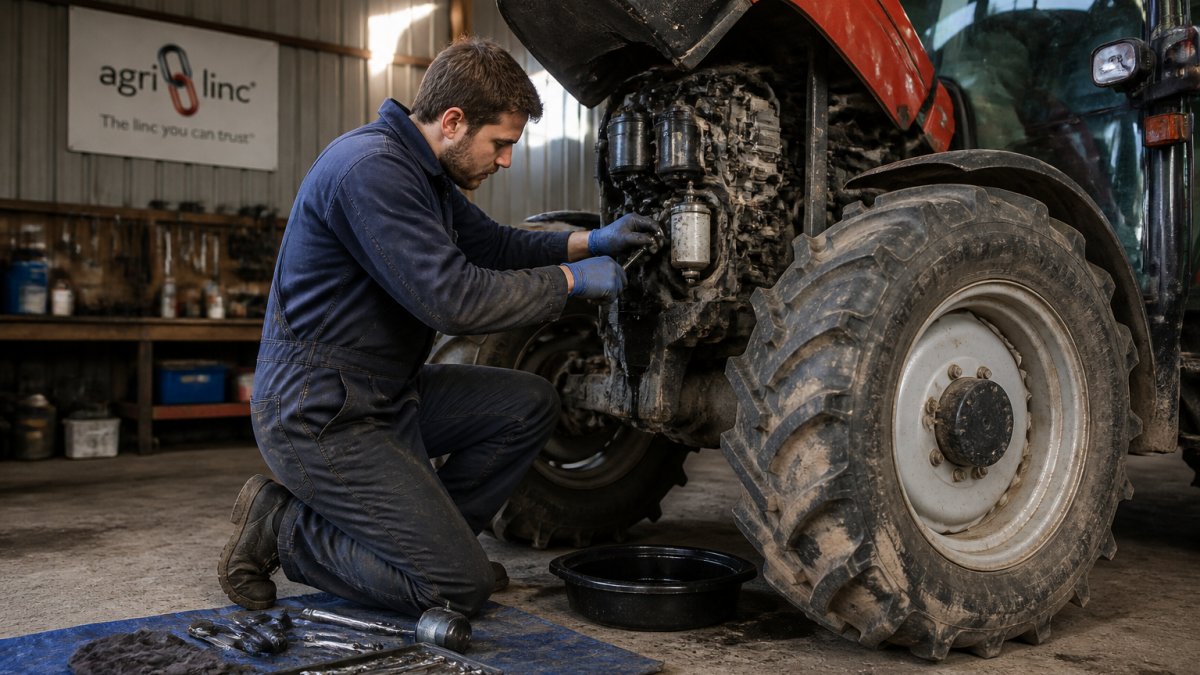
At 250 hours, change the engine oil and oil filter. Fresh oil removes dirt and metal particles that accumulate during normal operation. Use the grade specified in your manual, mixing grades reduces protection.
Drain and replace the hydraulic filter at 250 hours. Dirty hydraulic fluid damages pumps and cylinders. This is not optional maintenance.
At 500 hours, replace the air filter element (not just clean it). Check all hose clamps and tighten any that have loosened.
Annual and seasonal services
Once yearly, or before winter storage, perform a full inspection:
- Drain and replace all fluids (oil, coolant, hydraulic fluid)
- Replace all filters (air, oil, fuel, hydraulic)
- Inspect the battery for corrosion and test its charge
- Check all electrical connections for loose wires and oxidation
- Inspect the clutch for wear and adjust if needed
- Test all lights and safety equipment
In spring, before the busy season starts, run the engine and check for unusual noises or vibrations. Listen for grinding, knocking, or squealing, these signal problems that need attention before you put the tractor under load.
Tractor Tyre Maintenance and Replacement
Tractor tyre maintenance keeps you moving safely and extends tyre life. Tyres are one of your largest maintenance expenses, so proper care pays dividends.
Rotate tyres every 200-300 hours of operation. Front and rear tyres wear differently because they carry different loads and turn at different rates. Rotating them evens wear and extends their life.
WD-40 Smart Straw Multi-Use Product - 450ml, Rust Remover, Lubricant, Moisture →
Check pressure monthly during the season. Pressure changes with temperature and can drop slowly even without a puncture. Under-inflated tyres work harder, generate heat, and fail prematurely.
Inspect for damage weekly. Small punctures can be repaired if caught early. Large cuts or sidewall damage require replacement. Never patch a tyre that's been run flat, internal damage is often hidden and the tyre will fail suddenly.
When tyres reach the end of their life, replace them as a set or axle pair. Mixing old and new tyres creates uneven traction. If you must replace only two, put the new tyres on the rear axle where traction is most critical.
Store spare tyres in a cool, dry place away from direct sunlight. UV light hardens rubber and causes cracking. Tyres stored outdoors fail faster than those kept in a shed.
Using a Tractor Maintenance Checklist
A written tractor maintenance checklist keeps you organised and ensures nothing gets missed. Print one and keep it in your tractor cab or office.
Your checklist should include:
- Daily checks: oil, coolant, hydraulic fluid, fuel, tyre pressure
- Weekly checks: all lights, brakes, belts, hoses
- 50-hour checks: air filter, all fluid levels, battery
- 250-hour checks: oil change, hydraulic filter, fuel filter
- 500-hour checks: air filter element
- Annual checks: full fluid change, all filters, electrical system
Tick off each item as you complete it. This creates a record showing when work was done. If a problem develops, you can trace back and see what maintenance was or wasn't performed.
Keep records for warranty claims and when you eventually sell the tractor. Buyers value documented maintenance history and will pay more for a well-maintained machine.
Preparing Your Tractor for Winter Storage
If your tractor sits idle during winter, prepare it properly to prevent rust, fuel degradation, and battery discharge.
Drain the fuel tank or add a fuel stabiliser. Stale fuel clogs injectors and injectors. Stabiliser keeps fuel fresh for months. Run the engine for 10 minutes after adding stabiliser to circulate it through the fuel system.
Change the oil and filter before storage. Dirty oil is acidic and corrodes engine internals during long idle periods.
Top up the coolant. A full cooling system prevents rust inside the engine block.
Disconnect the battery or attach a trickle charger. A sitting battery slowly loses charge. Disconnecting it prevents parasitic drain from electrical systems. A trickle charger keeps it at full charge without overcharging.
Inflate tyres to the maximum safe pressure. This prevents flat spots from forming where the tyre contacts the ground.
Cover the tractor with a tarpaulin to keep dust and moisture off. Moisture promotes rust on exposed metal.
Engage the parking brake and chock the wheels so the tractor cannot roll.
Common Maintenance Mistakes to Avoid
Many farmers skip maintenance until something breaks, then wonder why repairs cost so much. Prevention is cheaper than repair.
Don't ignore warning lights. If the oil pressure light comes on, stop immediately. Running an engine with low oil pressure destroys the engine in minutes.
Don't mix hydraulic fluid types. Different fluids have different viscosity and additive packages. Mixing them causes sludge and pump damage. Always use the fluid specified in your manual.
Don't run the engine on low coolant. Overheating warps the cylinder head and damages the gasket. A warped head costs thousands to repair.
Don't neglect the air filter. A clogged filter reduces power and increases fuel consumption. It's a cheap part and takes minutes to replace.
Don't delay tyre repairs. A slow leak eventually becomes a blowout. A small cut spreads under load. Fix problems when they're small.
Don't store the tractor with a full fuel tank in hot weather. Fuel expands and can overflow or seep from seals. Store at three-quarters full.
A failed implement hydraulic system leaves you stranded mid-field.
Keeping your tractor running reliably comes down to routine attention and catching problems early. A few minutes of checking each day and planned maintenance at the right intervals prevent most breakdowns and extend your tractor's working life by years.
When you need replacement parts or maintenance supplies, hydraulic filters, oil, belts, hoses, or lights, Agri-Linc stocks everything you need. We carry parts for over 140 brands and keep 12,000+ items in stock, so you get what you need when you need it. Whether you're doing routine maintenance or emergency repairs, we help you minimise downtime and keep your operation moving.
| Maintenance Task | Interval | What to Check |
|---|---|---|
| Daily pre-start check | Before each use | Oil, coolant, hydraulic fluid, fuel, tyre pressure |
| Weekly inspection | Once per week | Lights, brakes, belts, hoses, tyre condition |
| 50-hour service | Every 50 hours | Air filter, all fluid levels, battery, radiator fins |
| 250-hour service | Every 250 hours | Oil and filter change, hydraulic filter replacement |
| 500-hour service | Every 500 hours | Air filter element, fuel filter, hose clamps |
| Annual full service | Once yearly | All fluids, all filters, electrical system, clutch |
Frequently Asked Questions
How often should you service a farm tractor?
Service intervals depend on usage and machine age. Most modern tractors need servicing every 50-100 hours of operation, or annually if used seasonally. Older machines may require more frequent checks. Consult your operator's manual for exact recommendations. Regular servicing prevents costly breakdowns during critical periods like harvest and minimises downtime across your operation.
What should you check on a tractor maintenance checklist?
A tractor maintenance checklist should include engine oil and filter, coolant level, hydraulic fluid, and tyre pressure and tread depth. Check these items weekly during active use and before long storage periods. A structured checklist ensures nothing is overlooked and helps you spot wear early, extending your machinery's lifespan.
How do you prepare a tractor for winter storage?
Before winter storage, drain old fuel or add fuel stabiliser, and change the engine oil.
What is the best way to maintain tractor tyres?
Check tyre pressure weekly and adjust to the manufacturer's specification for your load and field conditions. Inspect treads for wear and embedded stones, which can cause punctures. Rotate tyres periodically if possible, and replace them when tread depth falls below safe limits. Proper tyre maintenance improves fuel efficiency, reduces soil compaction, and extends tyre life, particularly important for maintaining traction during wet conditions.