 comparison
Used Cultivator Prices: A 2026 Buyer's Guide
Table of Contents
- Used Cultivator Prices: What You'll Pay
- Understanding Cultivator Working Width and How It Affects Price
- Used Stubble Cultivator Options and Value
- Used Farm Machinery Inspection Checklist
- Cultivator Parts and Wear: What Costs Extra
- Key Factors That Drive Used Cultivator Pricing
- Making Your Decision: Which Model Suits Your Farm
- Frequently Asked Questions
Last Updated: October 16, 2026
Used Cultivator Prices: What You'll Pay
When you're shopping for used cultivator prices in the UK, the cost depends heavily on working width, condition, and whether you're buying a simple stubble cultivator or a multi-function combination model. At Agri-Linc, we help farmers navigate this decision every day.
The real insight here is that newer doesn't always mean better value. A well-maintained 2015 model with recent service records often outperforms a neglected 2022 machine. What matters most is understanding what you're actually paying for: the working width, the tine configuration, and crucially, the wear on key components like discs and subsoiler legs.
Used cultivator prices in the UK vary significantly by region and dealer, but the range is fairly consistent across the market. You'll find that trailed models cost less than mounted equivalents, and auto-reset mechanisms add to the purchase price compared to shearpin designs.
Understanding Cultivator Working Width and How It Affects Price
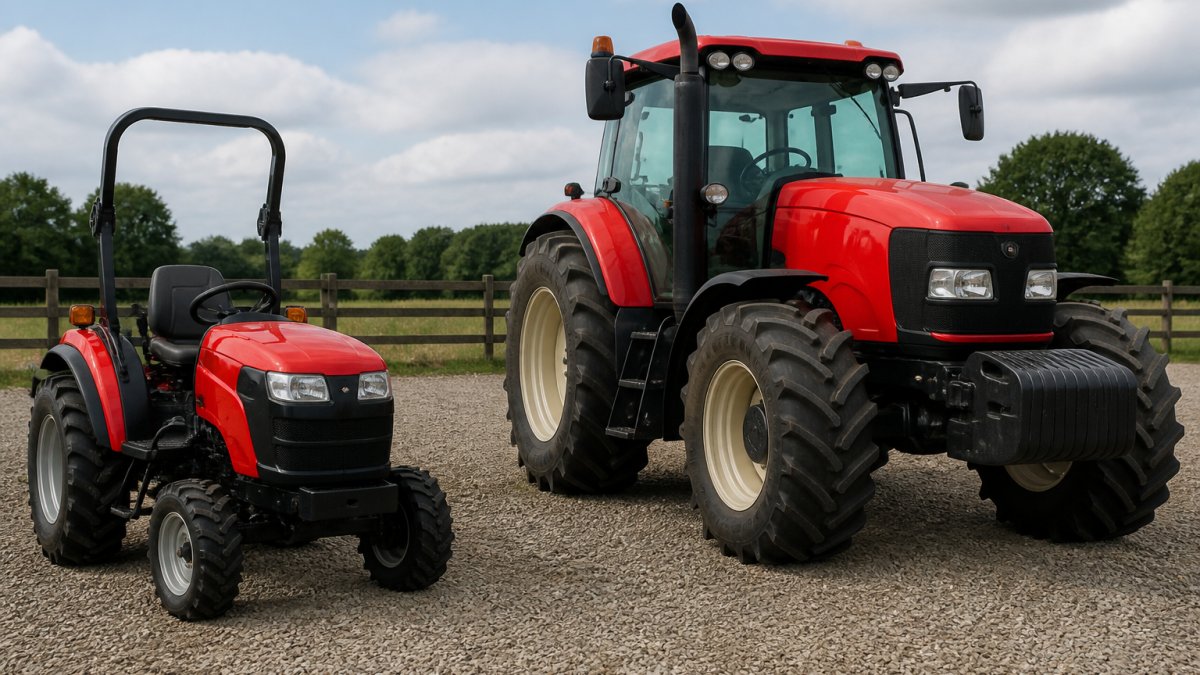
The working width is the single biggest price driver in the cultivator market. A 2.5-metre cultivator covers less ground per pass, so it's cheaper to buy and cheaper to run, but you'll spend more time in the field. A 6.5-metre model covers significantly more area but costs substantially more upfront and demands more power from your tractor.
Working width directly determines what size tractor you'll need, which cascades into fuel costs, labour time, and overall operational efficiency. A 3-metre cultivator sits at the sweet spot for many mixed farms: it's not so wide that you're forced into a larger tractor investment, but it's efficient enough to cover acreage reasonably quickly.
The SUMO TRIO range demonstrates this principle clearly. The 2.5-metre auto-reset model starts at £28,620, whilst the 3-metre version costs £32,340 and the 3.5-metre reaches £47,220. That progression reflects not just more steel and components, but the engineering required to handle the additional forces at greater widths.
Used cultivator prices in the UK also reflect working width in the second-hand market. Narrower machines depreciate faster because fewer farmers need them, whilst 3-metre to 4-metre models hold value better. If you're buying used, a 3-metre cultivator from five years ago typically costs less than a new 2.5-metre equivalent, making the used market genuinely competitive for mid-range widths.
| Working Width | Typical Tractor Size | Used Price Range | Best For |
|---|---|---|---|
| 2.5 metres | 80-100 HP | £28,000-£32,000 | Small holdings, precision work |
| 3 metres | 100-130 HP | £32,000-£38,000 | Mixed farms, general cultivation |
| 3.5-4 metres | 130-160 HP | £38,000-£47,000 | Large arable operations |
| 4.5-6.5 metres | 160+ HP | £45,000-£65,000+ | Commercial contractors |
Used Stubble Cultivator Options and Value
A stubble cultivator is specifically designed for shallow, aggressive work after harvest: breaking up surface trash, incorporating residue, and preparing seedbeds. They're lighter and cheaper than primary cultivators because they don't need the deep-working tines or heavy disc configurations.
Used stubble cultivator options in the UK market are abundant because every arable farm needs one, which means better pricing and availability. The trade-off is that stubble cultivators wear faster than primary tools: the tines take constant abuse, and the discs clog with residue.
When evaluating a used stubble cultivator, inspect the tine points first. Worn points mean inefficient work and higher fuel consumption. If the points are badly worn, factor in replacement costs for sets. Disc condition matters too, cracked or severely worn discs reduce effectiveness and cost a significant amount each to replace.
The SUMO TRIO range includes combination models that work both as primary and stubble cultivators. The 3-metre shearpin version at £29,220 offers flexibility: you can use it for deep primary work or shallow stubble work depending on the season. That versatility often justifies the higher price compared to a single-purpose stubble tool, especially for mixed farming operations.
Used Farm Machinery Inspection Checklist
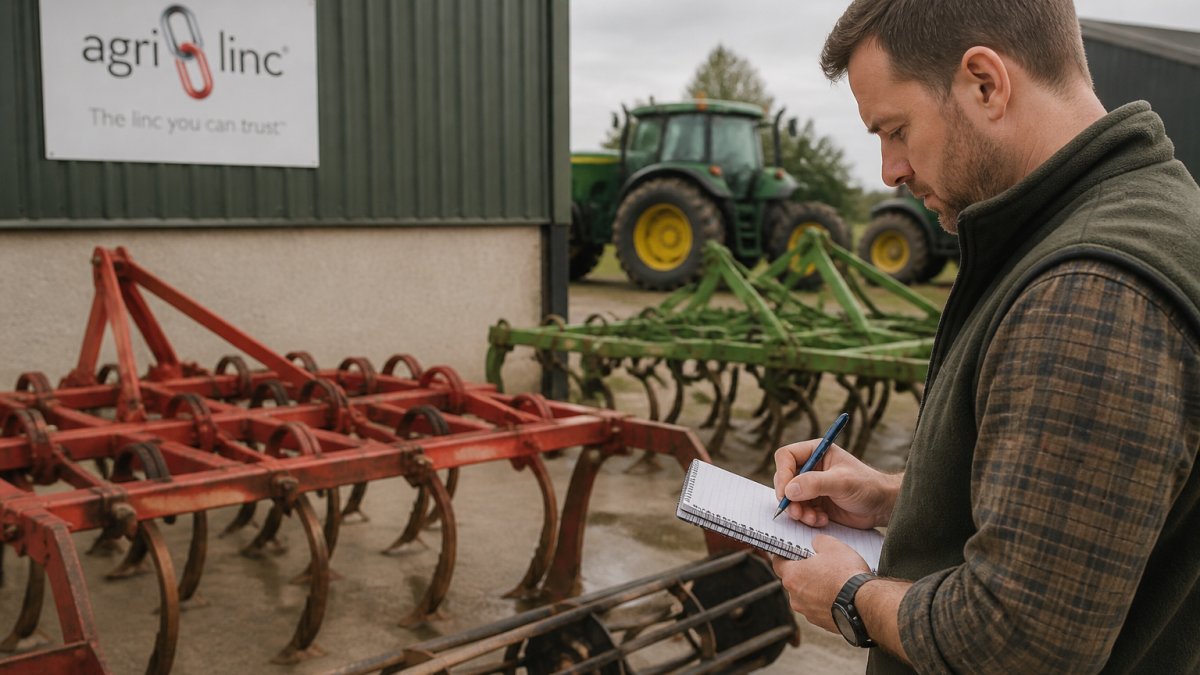
Before you hand over money for any used cultivator, conduct a systematic inspection. This checklist protects you from costly mistakes and hidden repair bills.
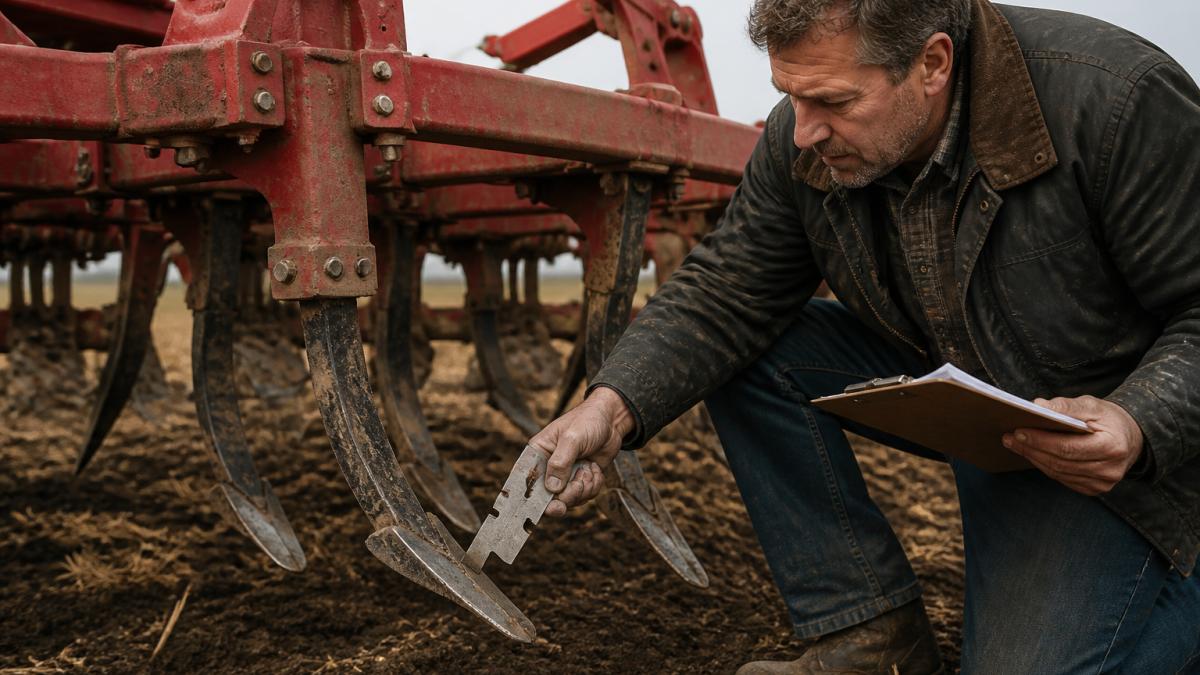
Structural and Mechanical:
- Check all welds for cracks, particularly where the main frame meets the leg assemblies
- Inspect the drawbar and hitch points for straightness and corrosion
- Test all hydraulic cylinders for smooth operation and leaks
- Verify that auto-reset mechanisms (if fitted) engage and release properly
- Examine the frame for bending or distortion that suggests impact damage
Tines and Working Components:
- Measure tine point wear, points should extend at least 80 millimetres below the shank
- Check for bent or broken tines; even one damaged tine affects performance
- Inspect disc edges for cracks, missing segments, or severe blunting
- Count the number of discs and verify they match the specification
- Look for disc wobble when you spin them by hand
Wear and Maintenance Indicators:
- Request service records and maintenance history
- Check if the machine has been regularly greased (look for grease fittings and recent grease around them)
- Inspect the packer roller for wear and flatspotting
- Look for rust or corrosion in sheltered areas, indicates poor storage
- Verify that all bolts are present and tight
Operational Test:
- Operate the machine at slow speed in a field to check for unusual noises
- Confirm that depth control works smoothly if hydraulically operated
- Check that the machine tracks straight and doesn't pull to one side
- Listen for grinding sounds that suggest internal wear
Used cultivator prices in the UK reflect condition, and a thorough inspection often reveals why a machine is priced below market average. A machine with minor cosmetic wear but solid mechanics is far better value than one that looks pristine but has hidden damage.
Cultivator Parts and Wear: What Costs Extra
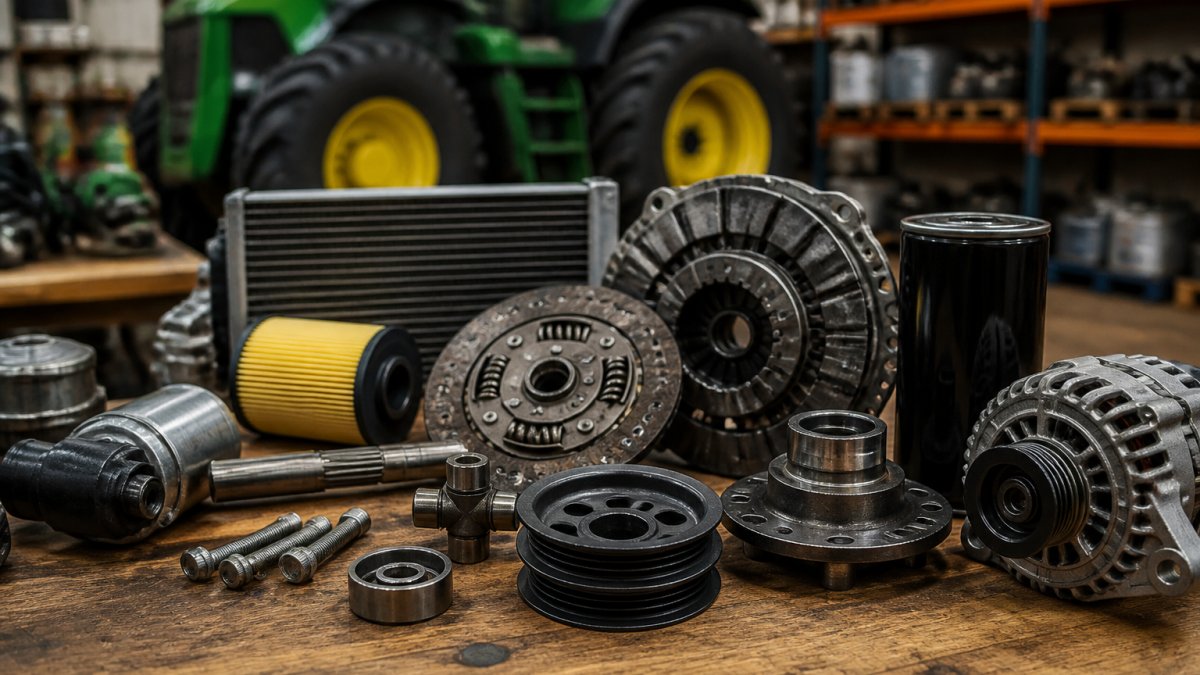
The true cost of ownership extends far beyond the purchase price. Cultivator parts wear predictably, and knowing replacement costs helps you budget accurately.
High-wear components and typical replacement costs:
Tine points are the most frequently replaced parts. A complete set of points for a 3-metre cultivator costs a significant amount. You'll replace them every two to three years depending on soil type and intensity of use. Hard, stony ground accelerates wear dramatically.
Discs cost a significant amount each, and a cultivator typically carries 12 to 24 discs. Replacing a full set can be costly, though most farmers replace discs progressively rather than all at once.
Hydraulic hoses and seals cost a certain amount per component. A cultivator with multiple hydraulic functions (auto-reset, depth control, folding) has more hoses and more potential failure points. Budget for hydraulic maintenance on a regularly used machine.
The packer roller or ring packer wears through friction. Replacement costs a significant amount depending on the model. This is a mid-life component: expect to replace it once during the machine's working life.
SUMO TRIO TTR3.5 3.5 Metre Trailed Non-Folding 6 Leg Auto Reset Tine Disc Press →
Shearpin replacement is cheap but frequent if you're working in stony ground. Auto-reset mechanisms eliminate shearpin costs but add hydraulic complexity and maintenance burden.
Used cultivator prices in the UK often reflect deferred maintenance. A cheap machine with worn discs and worn tine points is actually expensive: you're buying someone else's repair bill. A machine priced higher but with new discs and sharp points often delivers better value over five years.
Key Factors That Drive Used Cultivator Pricing
Several factors beyond age and working width influence what you'll pay for a used cultivator in the UK market.
Brand reputation and parts availability matter significantly. Established brands with wide dealer networks command higher prices because spare parts are accessible and resale is easier.
Condition and service history are the biggest variables. A 2015 machine with full service records, new discs, and recently sharpened points often costs more than a 2020 machine that's been neglected. Buyers trust documented maintenance.
Configuration and options add value. A cultivator fitted with a front disc unit costs more than the same model without it, but the front disc improves performance in trashy conditions.
Working width and tractor compatibility affect local demand. A 3-metre cultivator sells quickly because most mixed farms need that width. A 5-metre model sits longer because fewer farmers have tractors powerful enough to run it efficiently.
Regional variation exists but is modest in the UK. Southern England and the Midlands have slightly higher prices due to higher land values and more intensive farming, but the difference is typically modest.
Seasonal timing influences pricing. Cultivators sell fastest in spring (January to March) when farmers are preparing for the season. Buying in summer or autumn often yields better prices because fewer buyers are shopping.
Used cultivator prices in the UK also reflect the overall agricultural economy. Years when commodity prices are strong see higher machinery prices because farmers have more capital. Weaker years see prices soften as farmers defer purchases.
Making Your Decision: Which Model Suits Your Farm
Choosing the right cultivator depends on matching the machine's capability to your specific needs, not just buying the cheapest option available.
For smallholdings and precision work (under 100 acres), a 2.5-metre cultivator makes sense. The SUMO TRIO 2.5-metre auto-reset at £28,620 offers excellent value: it's narrow enough to fit most older tractors, uses less fuel, and covers ground efficiently on smaller acreage.
For mixed farms (100-300 acres), the 3-metre models deliver the best balance. The SUMO TRIO 3-metre auto-reset at £32,340 is versatile enough for primary cultivation, stubble work, and seedbed preparation.
For large arable operations (300+ acres), wider machines justify the investment. The 3.5-metre SUMO TRIO at £38,750 (trailed range) or the 4-metre folding models reduce the number of passes needed and improve efficiency.
For contractors running multiple sites, a folding cultivator (4.5 metres or wider) is essential for transport between farms. Wider machines command premium prices, but they're essential tools for contractors managing large acreage across different locations.
When evaluating used cultivator prices in the UK, remember that the cheapest machine is rarely the best value. A used cultivator with worn discs and questionable history will cost you a significant amount in repairs within the first season.
Visit Agri-Linc to explore our current inventory of new and used cultivators. We stock multiple SUMO TRIO models across different widths and configurations, and our team can advise on which specification suits your farm.
Frequently Asked Questions
How much does a used cultivator cost?
Used cultivator prices vary widely based on size, age, condition, and type. Prices reflect working width, hydraulic systems, and the condition of wear components like discs and tines. Always inspect the machinery thoroughly before purchase to ensure the price reflects actual condition.
What should I check before buying a used cultivator?
Inspect the tines and points for wear or breakage, check all discs for damage or excessive wear, examine the multipacker for ring condition, test hydraulic auto-reset mechanisms if fitted, verify the working width matches your requirements, check for rust or corrosion, and confirm all attachment points are sound. Review maintenance records if available. A thorough inspection prevents costly repairs and downtime during the season.
Does working width affect the price of a used cultivator?
Yes, significantly. Cultivators range from 2.5 metres to 6.5 metres working width. Wider models cost more because they cover more ground per pass, reducing fuel and labour costs over time. However, they require more powerful tractors and cost more to transport and store. Choose a width that matches your tractor's capacity and your field sizes to balance productivity with operational efficiency.
Are used stubble cultivators suitable for my farm?
Stubble cultivators work the soil profile in one pass, making them suitable for minimum-till systems. They're ideal if you want to move away from ploughing whilst maintaining soil structure and reducing input costs. Check that the model you're considering has the depth capacity and working width for your soil type and field size. Inspect the tine condition carefully, as worn tines reduce effectiveness.
Choosing the right cultivator for your farm means balancing purchase price against maintenance costs, working width against tractor compatibility, and immediate budget against long-term productivity. Used cultivator prices in the UK offer genuine value when you know what to look for. Contact Agri-Linc to discuss your cultivation requirements, we'll help you find a machine that delivers reliable performance and genuine value for your operation.